How to get into affiliate marketing is a question asked by people who want a legitimate, skill-based way to earn online without creating products, holding inventory, or managing customer service. In the US and UK, affiliate marketing is a well-established part of the digital economy, used by individuals, publishers, educators, and major brands.
This guide is written as a long-form, SEO-friendly, human-written article focused on one main keyword only: how to get into affiliate marketing. It follows Google’s content standards, avoids exaggerated claims, and explains the process clearly from a true beginner’s perspective. No links are included. No emojis are used. The content is practical, ethical, and aligned with US and UK market realities.
What It Really Means to Get Into Affiliate Marketing
Getting into affiliate marketing does not mean posting random product recommendations or chasing quick money. It means building a content-based system where you help people make informed decisions and earn commissions as a result of that help.
Affiliate marketing works when:
You understand a specific audience
You explain problems and solutions clearly
You recommend relevant products or services honestly
In the US and UK, affiliate marketing is primarily trust-driven. Consumers research thoroughly before making decisions, and they respond best to balanced, educational content.
Step 1: Understand How Affiliate Marketing Works
Before learning how to get into affiliate marketing, you must understand the basic model.
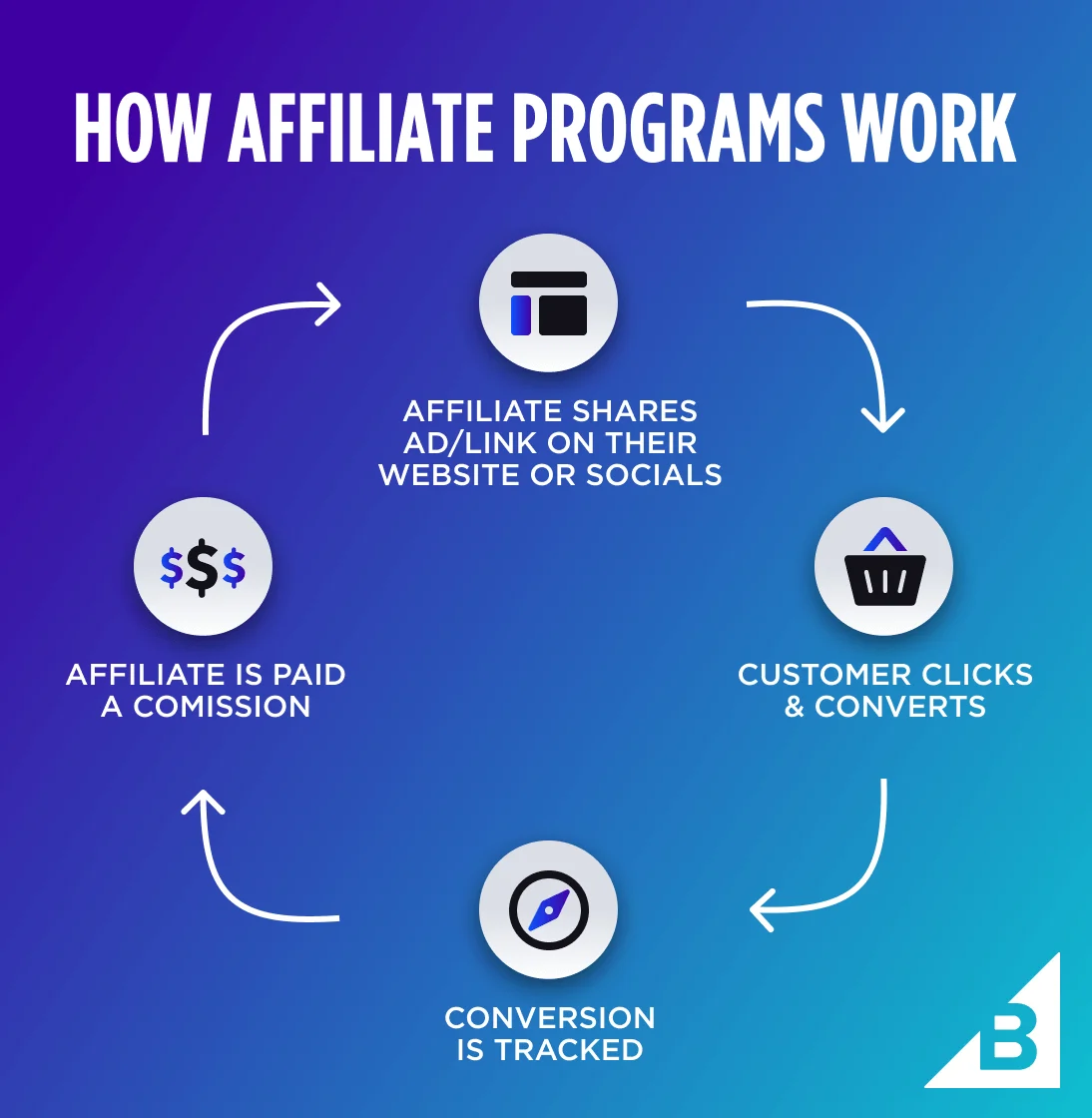
Affiliate marketing follows a simple structure:
A business offers a product or service
The business allows affiliates to promote it
You create content that educates or informs
An audience engages with your content
The audience takes a qualifying action
You earn a commission
The simplicity of this structure often hides the real effort required: research, consistency, and content quality.
Step 2: Decide If Affiliate Marketing Fits Your Goals
Affiliate marketing is not suitable for everyone.
It is best for people who:
Are comfortable learning new skills
Can explain ideas clearly
Prefer long-term growth over fast income
Value trust and credibility
If you are looking for instant money with minimal effort, affiliate marketing will likely disappoint you. In the US and UK, successful affiliates treat this as a professional digital business.
Step 3: Choose a Clear Beginner-Friendly Niche
One of the most important decisions when learning how to get into affiliate marketing is niche selection.
What Is a Niche
A niche is a focused topic area where you serve a specific audience with specific problems.
Characteristics of a Good Beginner Niche
Clear and recurring problems
Consistent demand in the US and UK
Opportunities for educational content
Products or services that genuinely help
Beginner-friendly niches often include education guidance, digital skills, health education, personal finance basics, home improvement, and career development.
Avoid choosing a niche based only on commission size. Relevance and sustainability matter more.
Step 4: Learn Who Your Audience Really Is
Affiliate marketing succeeds when you understand people better than products.
Ask questions such as:
Who needs this information
What problems are they trying to solve
What questions do they search for
What doubts stop them from deciding
US and UK audiences expect clarity, accuracy, and honesty. Your content should reflect these expectations from the start.
Step 5: Choose One Platform to Start With
You do not need to be everywhere.
Beginner-Friendly Platforms
Educational blogs or informational websites
Content-focused social media platforms
Email-based knowledge sharing
Multimedia educational platforms
For beginners in the US and UK, long-form written content performs particularly well because it aligns with research-based decision-making.
Start with one platform and master it before expanding.
Step 6: Learn the Basics of Content Creation
Content is the foundation of affiliate marketing.
Content Types That Work Well
Beginner guides
How-to articles
Educational explanations
Honest reviews
Comparison content
Your goal is not to sell. Your goal is to help users understand their options clearly.
When content helps first, affiliate income follows naturally.
Step 7: Understand Affiliate Programs Before Joining
Before joining any program, understand how it works.
Key Things to Know
How commissions are calculated
What actions qualify for commissions
Payment timelines and thresholds
Promotion rules and expectations
Beginners should start with a small number of relevant programs rather than joining many at once.
Step 8: Build Content Before Promoting Products
One of the most common beginner mistakes is promoting too early.
Before recommending anything:
Answer common beginner questions
Explain concepts clearly
Build credibility through helpful content
When people trust your information, recommendations feel natural rather than promotional.
Step 9: Learn Basic SEO for Long-Term Growth
Search visibility is essential for sustainable affiliate marketing.
SEO Fundamentals for Beginners
Focus on one main topic per page
Use clear headings and logical structure
Write in natural, readable language
Answer real user questions thoroughly
SEO is not about manipulation. It is about usefulness and relevance.
In the US and UK, search-driven traffic remains one of the most reliable sources of affiliate income.
Step 10: Be Ethical and Transparent From Day One
Ethics are not optional.
Why Ethics Matter
Trust determines long-term success
Misleading content damages credibility
US and UK markets prioritize consumer protection
Always prioritize accuracy, balance, and honesty. Never exaggerate benefits or hide limitations.
Step 11: Be Patient and Track Progress
Affiliate marketing is a long-term process.
Pay attention to:
Which topics attract engagement
What questions users ask repeatedly
How content performs over time
Improvement comes from consistency, reflection, and refinement.
Step 12: Avoid Common Beginner Mistakes
Understanding mistakes helps you progress faster.
Common Mistakes
Expecting fast income
Copying content from others
Promoting products you do not understand
Overloading content with promotions
Quitting too early
Most failures in affiliate marketing are due to impatience, not lack of opportunity.
Step 13: Scale Gradually Once Foundations Are Strong
Growth should follow mastery.
Sustainable Growth Strategies
Expand content depth within your niche
Improve clarity and usefulness of existing content
Address more advanced audience questions
Scaling works best when quality remains the priority.
Realistic Expectations When Getting Into Affiliate Marketing
Affiliate marketing is not guaranteed income.
Beginners should expect:
A learning phase with minimal results
Gradual improvement in skills and content quality
Compounding growth over time
Those who remain consistent often succeed where others give up.
Final Answer: How to Get Into Affiliate Marketing the Right Way
To answer how to get into affiliate marketing clearly and honestly:
Learn the fundamentals before promoting anything
Choose a niche with real demand and relevance
Create genuinely helpful content
Build trust before seeking commissions
Follow ethical and transparent practices
Commit to long-term consistency
Affiliate marketing is not a shortcut. When approached as a value-driven, content-based business, it can become a sustainable and credible source of income in both the US and UK.