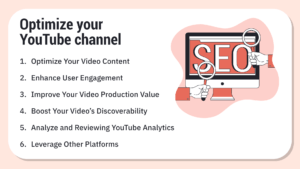

Internet marketing for online business refers to the structured use of online channels, digital systems, and communication strategies to attract audiences, build trust, and generate revenue in digital environments. Unlike traditional marketing, internet marketing operates where customers actively search for information, compare options, and make decisions online. For online businesses, internet marketing is not optional—it is the primary engine of visibility, customer acquisition, and long-term growth.
In both the UK and US, online businesses rely on internet marketing to compete in crowded markets, differentiate themselves, and create consistent demand. Whether the business sells products, services, subscriptions, or digital solutions, internet marketing shapes how it is discovered, perceived, and chosen.
Understanding Internet Marketing in the Context of Online Business
Internet marketing is best understood as a system rather than a single activity. It connects audience behaviour, digital platforms, content, data, and business objectives into one integrated process. Online businesses exist entirely within digital environments, which means every customer interaction—from first discovery to post-purchase experience—happens online.
For an online business, internet marketing is responsible for:
Being discoverable when people search or browse
Communicating value clearly and consistently
Building trust without face-to-face interaction
Guiding users from interest to action
Measuring results and improving performance
This makes internet marketing a core business function rather than a supporting activity.
Why Internet Marketing Is Essential for Online Businesses
Online businesses do not benefit from physical foot traffic or location-based visibility. Their success depends on how effectively they appear in digital spaces where customers already spend time.
Internet marketing is essential because it:
Creates visibility in competitive digital markets
Reaches customers beyond geographic boundaries
Supports scalable business growth
Enables direct communication with audiences
Provides measurable performance data
Without internet marketing, even high-quality online businesses struggle to gain traction.
The Role of Customer Behaviour in Internet Marketing
One of the most important aspects of internet marketing for online business is understanding customer behaviour. Online customers are self-directed. They research, compare, and evaluate before making decisions.
Effective internet marketing aligns with how customers behave online by:
Providing useful information at the right time
Answering questions clearly
Reducing uncertainty and friction
Building confidence through consistency
Internet marketing succeeds when it supports decision-making rather than interrupting it.
Digital Presence as the Foundation of Online Business Marketing
A strong digital presence is the foundation of internet marketing. This includes how an online business appears across its website, content, and digital touchpoints.
Digital presence involves:
Clear positioning and messaging
Consistent visual and verbal identity
Easy navigation and accessibility
Credibility signals that build trust
For online businesses, digital presence replaces physical storefronts. It shapes first impressions and long-term perception.
Content as a Core Internet Marketing Asset
Content plays a central role in internet marketing for online business. Content is how businesses communicate value, demonstrate expertise, and support customer decisions.
Effective content for online businesses:
Educates rather than only promotes
Addresses real customer needs and concerns
Builds authority and trust over time
Supports discoverability and engagement
Content exists in many forms, including informational pages, guides, explanations, visuals, and interactive elements. For online businesses, content is often the primary relationship-building tool.
Internet Marketing Channels and Their Strategic Use
Internet marketing involves multiple channels, but success does not come from using all of them. It comes from choosing channels strategically based on audience behaviour and business goals.
Common internet marketing channels include:
Search-based discovery environments
Content distribution platforms
Email-based communication systems
Paid promotion environments
Each channel serves a different role. Some build awareness, others support engagement, and others drive conversion. Online businesses benefit most when channels work together rather than in isolation.
Traffic, Conversion, and the Online Business Funnel
Internet marketing for online business is closely tied to the idea of a funnel or journey. Customers rarely convert immediately. They move through stages of awareness, consideration, and decision.
Effective internet marketing supports this journey by:
Attracting relevant traffic
Providing clear and helpful information
Reducing barriers to action
Reinforcing trust at each stage
Understanding this process helps online businesses design more effective marketing strategies.
The Importance of Trust in Internet Marketing
Trust is one of the most critical factors in online business success. Customers cannot physically see products or meet sellers, so trust must be built digitally.
Internet marketing builds trust through:
Transparency and clarity
Consistent messaging
Helpful and accurate information
Positive user experiences
Trust is cumulative. Every interaction contributes to how an online business is perceived.
Data and Measurement in Internet Marketing
One of the defining strengths of internet marketing is measurability. Every interaction generates data that can be analysed and improved.
For online businesses, data helps:
Understand customer behaviour
Identify what works and what does not
Optimise marketing efforts
Make informed business decisions
Internet marketing is not about guessing. It is about learning from evidence and adapting strategically.
Internet Marketing Strategy for Online Business Growth
A successful internet marketing strategy aligns marketing activities with business objectives. Strategy provides direction, focus, and consistency.
An effective strategy considers:
Business goals and growth targets
Audience needs and behaviour
Channel selection and priorities
Content and communication approach
Measurement and improvement plans
Strategy prevents wasted effort and supports sustainable growth.
Advantages of Internet Marketing for Online Businesses
Internet marketing offers several advantages that make it especially suitable for online businesses.
Key advantages include:
Global reach with controlled targeting
Scalability as the business grows
Direct communication with customers
Measurable return on effort
Flexibility and adaptability
These advantages allow online businesses to compete effectively, even against larger organisations.
Challenges of Internet Marketing for Online Businesses
Despite its benefits, internet marketing also presents challenges that online businesses must manage.
Common challenges include:
High competition in digital spaces
Constant changes in platforms and technology
Need for consistent content and effort
Balancing short-term results with long-term growth
Understanding these challenges helps businesses set realistic expectations.
Internet Marketing and Long-Term Business Sustainability
Internet marketing is not just about quick wins. For online businesses, it plays a key role in long-term sustainability.
Sustainable internet marketing focuses on:
Building long-term visibility
Developing strong customer relationships
Creating repeat engagement
Continuously improving based on insight
This approach supports resilience in changing markets.
Internet Marketing for Small vs Large Online Businesses
Internet marketing works for both small and large online businesses, but strategies differ in scale and execution.
Small online businesses often focus on:
Niche audiences
Focused messaging
Gradual growth
Larger online businesses focus on:
Scale and automation
Broader reach
Advanced data analysis
The fundamentals remain the same, even as complexity increases.
The Future of Internet Marketing for Online Business
The future of internet marketing will continue to be shaped by technology, data, and changing customer expectations. Automation, personalisation, and intelligent systems will play a larger role.
However, the core principles will remain:
Understanding people
Communicating value
Building trust
Measuring and improving
Online businesses that understand these fundamentals will adapt more easily to change.
Conclusion
Internet marketing for online business is the backbone of digital success. It connects visibility, communication, trust, and data into a system that supports growth and sustainability. For online businesses operating in the UK and US, internet marketing determines whether a business is discovered, trusted, and chosen in competitive digital environments.
By focusing on customer behaviour, strong digital presence, valuable content, strategic channel use, and continuous measurement, online businesses can use internet marketing not just to survive, but to grow with confidence and long-term direction.