
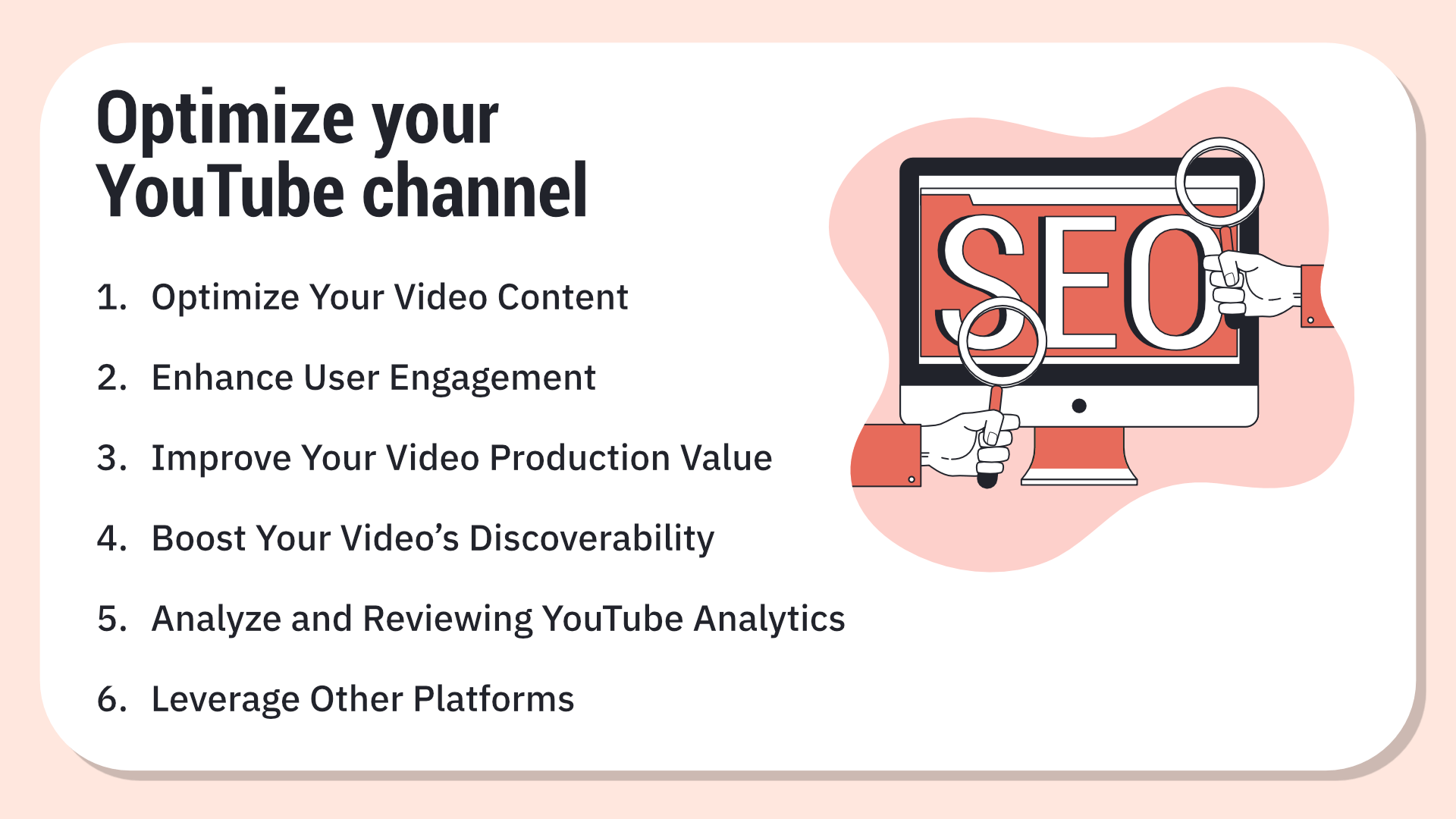
YouTube search engine optimization, commonly called YouTube SEO, is the process of structuring, presenting, and optimizing video content so it can be discovered, understood, and recommended within YouTube. Unlike traditional websites, YouTube SEO combines search behavior, audience engagement, and platform signals to decide which videos appear in search results, suggested feeds, and recommendations.
For creators, brands, educators, and online businesses in the UK and US, YouTube SEO is a core growth skill. It determines whether a video gets buried or gains consistent views over time. Effective YouTube SEO focuses on clarity, relevance, and viewer satisfaction rather than shortcuts or manipulation.
How YouTube SEO Actually Works
YouTube SEO works by helping the platform understand three things clearly: what a video is about, who it is for, and how viewers respond to it. The platform’s systems analyze metadata (titles, descriptions, tags), on-video signals (captions, spoken words), and behavioral data (watch time, retention, interactions).
Visibility is earned when a video:
Matches a clear search intent
Delivers on its promise
Keeps viewers watching and engaged
YouTube SEO is therefore not a one-time setup. It is an ongoing alignment between content, audience intent, and performance signals.
Search Intent: The Foundation of YouTube SEO
Search intent explains why someone types a query into YouTube. Understanding intent is the most important part of YouTube SEO because it guides every decision that follows.
Common intent patterns include:
Learning how to do something
Comparing options or tools
Understanding a concept
Finding reviews or demonstrations
A video optimized for the wrong intent will struggle even if its technical settings are perfect. Successful YouTube SEO starts by matching the video’s purpose to the viewer’s reason for searching.
Topic Selection and Keyword Context
YouTube SEO begins before recording. Topic selection determines whether there is demand and competition that makes sense for the channel’s size and authority.
Effective topic planning focuses on:
Specific, clearly defined subjects
Language real viewers actually use
Topics with repeat or long-term interest
Instead of chasing broad terms, strong YouTube SEO favors focused topics that answer a specific question thoroughly. This helps the platform categorize the video accurately and show it to the right viewers.
Titles That Balance Clarity and Curiosity
The title is one of the strongest YouTube SEO signals. It must clearly describe the video while encouraging a click from the right audience.
High-performing titles:
State the core topic plainly
Reflect the search phrase naturally
Set accurate expectations
Avoid misleading claims
Titles work best when they prioritize understanding over cleverness. Clear titles help both viewers and the platform immediately recognize relevance.
Descriptions That Add Context and Depth
Descriptions are essential for YouTube SEO because they provide textual context that supports categorization and discovery. A strong description explains what the video covers in a natural, informative way.
Effective descriptions:
Expand on the video’s topic
Clarify who the video is for
Use natural language rather than repetition
Reflect the structure of the content
Descriptions should read like helpful summaries, not lists of repeated phrases. This improves comprehension for the platform and for viewers who scan before watching.
Tags and Their Supporting Role
Tags play a smaller role than they once did, but they still help with clarification and edge cases. Their primary purpose is to support spelling variations, synonyms, and contextual alignment.
Useful tag practices include:
Including close topic variations
Adding common alternate phrasings
Avoiding unrelated or misleading terms
Tags should support, not replace, strong titles and descriptions.
Thumbnails as a Discovery Multiplier
While thumbnails are not a direct search signal, they strongly influence click behavior. YouTube SEO benefits when relevant videos earn higher engagement because users choose them.
Effective thumbnails:
Visually communicate the topic
Create contrast and clarity
Match the promise of the title
Avoid clutter and small text
High click-through rates signal relevance, which helps videos gain more visibility in search and recommendations.
Watch Time and Retention: The Performance Core
Watch time and audience retention are central to YouTube SEO. The platform prioritizes videos that keep viewers engaged because they deliver satisfaction.
To improve retention:
Open with a clear, compelling introduction
Deliver value early
Structure content logically
Avoid unnecessary filler
Videos that maintain attention tend to rank higher and receive more recommendations over time.
Engagement Signals and Viewer Interaction
Engagement signals help confirm that a video resonates with its audience. Likes, comments, and shares are indirect indicators of value.
Healthy engagement usually results from:
Clear explanations
Inviting discussion naturally
Addressing viewer questions
Delivering on expectations
Engagement should be a byproduct of quality, not forced or manipulated.
Captions, Accessibility, and Comprehension
Captions improve accessibility and help the platform understand spoken content. Accurate captions add another layer of clarity to YouTube SEO.
Benefits include:
Better comprehension for diverse audiences
Improved content understanding
Support for search alignment
Clear speech and well-structured narration also contribute to better performance.
Channel Authority and Consistency
YouTube SEO improves as channels demonstrate consistency and topical focus. When a channel regularly publishes content around related themes, the platform builds confidence in its relevance.
Channel-level best practices include:
Publishing within a defined niche
Maintaining consistent quality
Organizing content logically
Over time, this increases the likelihood that new videos rank faster and reach the right viewers.
YouTube SEO for Businesses and Brands
For businesses, YouTube SEO supports visibility, trust, and education. Informational and problem-solving videos often perform well because they align with how users search.
Business-focused benefits include:
Long-term discoverability
Authority building
Lead education and qualification
Reduced reliance on paid promotion
Well-optimized videos can continue delivering value long after publication.
Common YouTube SEO Mistakes to Avoid
Many creators struggle because they focus on tactics instead of fundamentals. Common mistakes include:
Keyword repetition without context
Misleading titles or thumbnails
Ignoring viewer retention
Publishing without a clear topic focus
YouTube SEO rewards accuracy, usefulness, and consistency rather than shortcuts.
Measuring Success in YouTube SEO
Success should be measured by trends, not single metrics. Useful indicators include:
Search impressions over time
Average view duration
Retention curves
Consistent traffic growth
Improvement comes from testing, learning, and refining content based on real performance.
Long-Term Value of YouTube SEO
YouTube SEO compounds. Well-optimized videos can attract views months or years after publication. This makes YouTube one of the most sustainable content platforms when approached correctly.
Long-term advantages include:
Evergreen traffic
Growing channel authority
Predictable discovery patterns
This is especially valuable for educators, service providers, and online businesses.
Conclusion
YouTube search engine optimization (YouTube SEO) is about helping the platform and viewers understand, trust, and value video content. It blends intent-driven topic selection, clear presentation, strong engagement, and consistent performance signals.
For creators and businesses in the UK and US, YouTube SEO is not a trick or a checklist. It is a disciplined approach to clarity, relevance, and audience satisfaction. When done well, it transforms individual videos into long-term discovery assets and turns channels into reliable sources of growth.