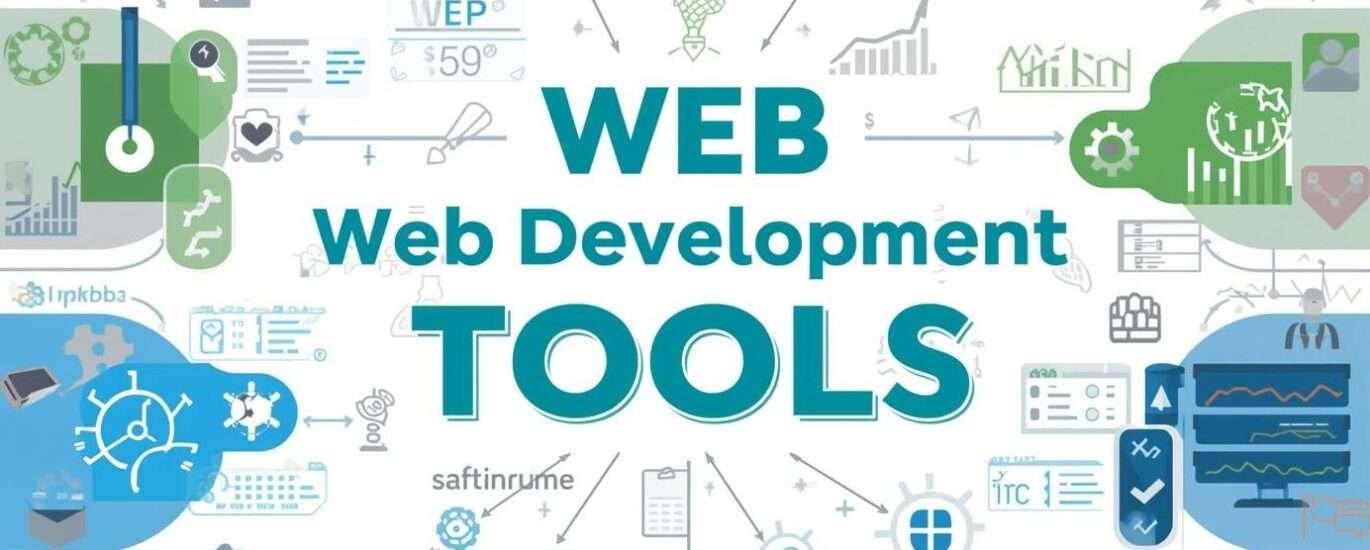
Web development has evolved into a highly dynamic and tool-driven field. Whether you are building a simple website or a complex SaaS platform, the tools you use directly impact your productivity, performance, and scalability. Understanding examples web development tools helps developers choose the right stack, improve workflow efficiency, and build modern web applications effectively.
This guide follows a tool-stack + real-world workflow + practical implementation structure, so instead of just listing tools, you will understand how they are used in actual development environments.
The Modern Web Development Stack (Big Picture)
Before exploring examples web development tools, you need to understand the full ecosystem.
A typical web development workflow includes:
Design → Frontend → Backend → Database → Deployment → Optimization
Each stage uses different tools.
Frontend Development Tools
Frontend development focuses on what users see and interact with.
Code Editors (Development Environment)
Every developer needs a powerful editor.
Common Features
- syntax highlighting
- extensions support
- debugging tools
These tools improve coding speed and accuracy.
Version Control Tools
Version control is essential for managing code changes.
Key Functions
- track changes
- collaborate with teams
- manage versions
Frontend Frameworks and Libraries
Modern web apps rely on frameworks.
Examples of Use
- building dynamic UI
- improving performance
- reusable components
Package Managers
Package managers help manage dependencies.
What They Do
- install libraries
- update packages
- manage versions
Backend Development Tools
Backend handles logic, servers, and data processing.
Backend Frameworks
Backend frameworks simplify server-side development.
Use Cases
- API development
- authentication systems
- business logic
API Development Tools
APIs connect frontend and backend.
Functions
- request testing
- debugging endpoints
- data exchange
Server Management Tools
These tools help manage application servers.
Features
- deployment
- scaling
- monitoring
Database Tools
Databases store and manage data.
Types of Databases
- relational databases
- NoSQL databases
Database Management Tools
These tools help developers:
- query data
- manage tables
- optimize performance
DevOps and Deployment Tools
Deployment tools help launch applications.
Cloud Platforms
Cloud tools provide:
- hosting
- scalability
- storage
CI/CD Tools
Continuous Integration and Deployment tools automate workflows.
Benefits
- faster deployment
- fewer errors
- automation
Testing Tools
Testing ensures software quality.
Types of Testing
- unit testing
- integration testing
- end-to-end testing
Why Testing Matters
- reduces bugs
- improves performance
- ensures reliability
Design and UI Tools
Design tools help create user interfaces.
Use Cases
- wireframing
- UI design
- prototyping
Real-World Development Workflow (Step-by-Step)
To understand examples web development tools, let’s see how they are used together.
Step 1: Design Phase
- create wireframes
- plan UI/UX
Step 2: Frontend Development
- build UI
- connect APIs
Step 3: Backend Development
- create server logic
- handle authentication
Step 4: Database Integration
- store data
- manage queries
Step 5: Testing
- fix bugs
- improve performance
Step 6: Deployment
- launch application
- monitor performance
Beginner-Friendly Tool Stack
If you are a beginner, start simple.
Recommended Stack
- basic code editor
- frontend basics (HTML, CSS, JS)
- simple backend
- basic database
Learning roadmap is explained in
Guide Web Developer Career
where you can explore step-by-step career development.
Advanced Tool Stack (For Professionals)
Once you gain experience, move to advanced tools.
Advanced Stack Includes
- modern frameworks
- cloud platforms
- automation tools
- scalable databases
How to Choose the Right Tools
Choosing tools depends on:
Project Type
- simple website
- SaaS application
- enterprise system
Team Size
- solo developer
- small team
- large organization
Scalability Needs
- small project vs large-scale system
Common Mistakes When Choosing Tools
Using Too Many Tools
Too many tools create complexity.
Ignoring Fundamentals
Tools cannot replace core knowledge.
Following Trends Blindly
Choose tools based on needs, not hype.
Best Practices for Using Web Development Tools
- start with basics
- master one stack
- build projects
- optimize workflow
- keep learning
Future of Web Development Tools
Web development tools are evolving rapidly.
Key Trends
- AI-assisted coding
- no-code and low-code platforms
- cloud-native development
- automation-driven workflows
Developers who combine AI tools with development skills can build faster and smarter systems. Practical insights can be found in
AI Automation Tools for Business
Practical Insight: Combining Tools with Business Strategy
Modern developers are not just coders—they are builders.
Understanding marketing and business strategy can increase the value of development skills. For example, combining development with strategies from
Type of Digital Marketing: A Comprehensive Guide to Boost Your Online Presence
can help create scalable online businesses.
Final Thoughts
Understanding examples web development tools is essential for building efficient, scalable, and modern web applications. The key is not to learn every tool—but to understand how tools work together in a real-world workflow.
Focus on:
- mastering fundamentals
- building projects
- choosing the right stack
- continuous learning
With the right tools and approach, web development can open opportunities in freelancing, remote jobs, and building your own SaaS products.
Related Articles
Read More: