Digital and social media marketing has become a core function of modern business. Organisations of all sizes now rely on digital channels and social platforms to reach audiences, build brands, generate leads, and drive revenue. In the US and UK especially, digital and social media marketing is no longer optional—it is a fundamental business capability.
This guide explains what digital and social media marketing really means, how both areas work together, the skills involved, common strategies, tools, career opportunities, and how businesses use them in practice.
What Is Digital and Social Media Marketing
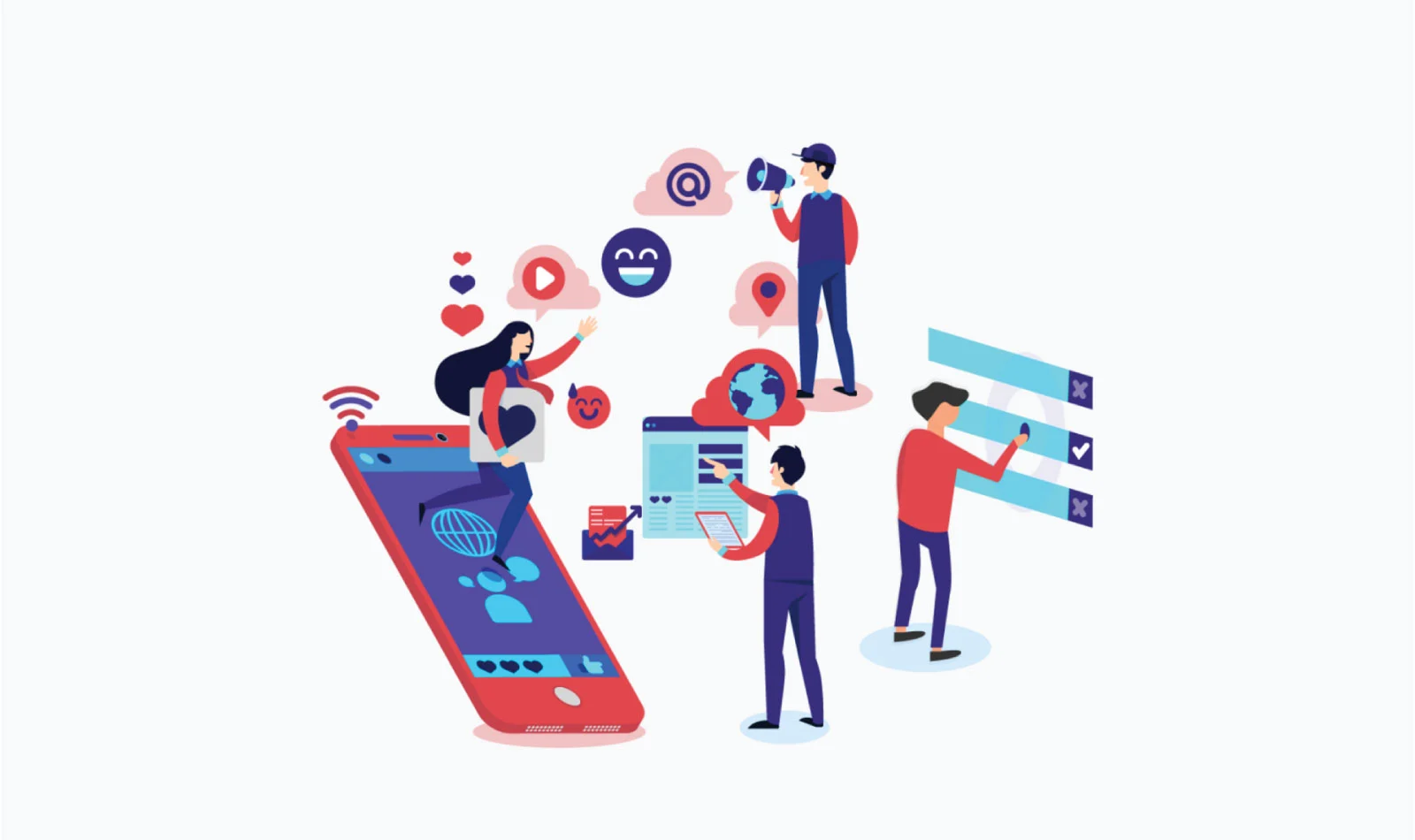
Digital and social media marketing refers to the use of online channels to promote products, services, brands, or ideas. It combines broader digital marketing activities with platform-specific social media strategies.
Digital Marketing Covers
Search engines
Websites and landing pages
Email marketing
Online advertising
Analytics and performance tracking
Social Media Marketing Covers
Social networking platforms
Community engagement
Content distribution
Brand communication
Audience interaction
Together, they form an integrated system for online growth and communication.
How Digital Marketing and Social Media Marketing Work Together
Digital marketing and social media marketing are closely connected but serve different roles.
Digital marketing focuses on structure and performance, while social media marketing focuses on visibility and engagement.
For example:
Digital marketing drives traffic and conversions
Social media marketing builds awareness and relationships
Digital analytics measure results from both
When combined correctly, social media fuels digital campaigns, and digital marketing converts social attention into measurable outcomes.
Core Components of Digital and Social Media Marketing
Modern digital and social media marketing includes multiple interconnected components.
Content Marketing
Content is the foundation of all digital and social media activity.
Content Types
Blog articles
Videos
Social media posts
Visual graphics
Educational resources
Content informs, educates, entertains, and builds trust across platforms.
Search Marketing
Search marketing ensures content and websites are visible when users actively look for information.
Key Areas
Organic search visibility
Paid search advertising
Keyword research
User intent analysis
Search marketing often works alongside social media by capturing demand created through social exposure.
Social Media Platforms and Channels
Social media marketing focuses on platform-specific strategies.
Common Platform Objectives
Brand awareness
Community building
Content distribution
Customer support
Lead generation
Different platforms serve different audience behaviours, requiring tailored approaches.
Paid Digital and Social Advertising
Paid advertising accelerates reach and results.
Common Paid Channels
Search advertising
Social media ads
Display advertising
Video advertising
Paid campaigns rely heavily on data, targeting, and performance optimisation.
Email and Direct Digital Communication
Email marketing remains one of the most effective digital channels.
Why Email Matters
Direct access to audiences
High return on investment
Personalised communication
Social media often feeds email lists, while email supports long-term engagement.
Analytics and Performance Measurement
Measurement is what separates digital and social media marketing from traditional marketing.
Common Metrics
Traffic and reach
Engagement and interaction
Conversion rates
Cost efficiency
Return on investment
Data allows marketers to adjust strategy in real time.
Skills Required for Digital and Social Media Marketing
Digital and social media marketing requires a mix of creative, analytical, and technical skills.
Key Skill Areas
Content creation and storytelling
Data analysis and interpretation
Platform knowledge
Strategic planning
Communication and branding
Successful marketers balance creativity with performance-driven decision-making.
Digital and Social Media Marketing Strategy
A clear strategy is essential for success.
Strategic Elements
Target audience definition
Channel selection
Content planning
Budget allocation
Performance tracking
Without strategy, marketing activity becomes inconsistent and inefficient.
Digital and Social Media Marketing for Businesses
Businesses use digital and social media marketing to achieve specific goals.
Common Business Objectives
Brand visibility
Lead generation
Customer acquisition
Customer retention
Reputation management
In the US and UK, most organisations integrate digital and social media marketing into overall business strategy.
Digital and Social Media Marketing for Small Businesses
Small businesses benefit significantly from digital and social media marketing.
Key Advantages
Lower cost than traditional advertising
Local and targeted reach
Direct customer interaction
Measurable results
Effective use of social platforms allows small businesses to compete with larger brands.
Digital and Social Media Marketing Careers
Digital and social media marketing offers diverse career paths.
Common Roles
Digital marketing executive
Social media manager
Content strategist
Paid media specialist
Marketing analyst
Demand for these roles remains strong across the UK and US job markets.
Career Skills Employers Look For
Employers value:
Practical experience
Data-driven thinking
Platform proficiency
Campaign execution skills
Adaptability to change
Certifications and hands-on projects often support career entry and progression.
Challenges in Digital and Social Media Marketing
Despite its benefits, challenges exist.
Common Challenges
Platform algorithm changes
Audience fatigue
Content saturation
Privacy and regulation
Measurement complexity
Success requires continuous learning and adaptation.
Ethical and Responsible Marketing Practices
Responsible digital and social media marketing prioritises:
Transparency
User privacy
Honest communication
Accurate representation
Ethical practices build long-term trust and brand credibility.
Trends Shaping Digital and Social Media Marketing
The field continues to evolve.
Key Trends
Short-form video growth
Data-driven personalisation
Increased regulation
Integration of automation and AI
Focus on community and authenticity
Staying current is essential for long-term success.
Digital and Social Media Marketing vs Traditional Marketing
Traditional marketing focuses on mass reach, while digital and social media marketing focuses on precision and interaction.
Key Differences
Two-way communication instead of one-way messaging
Real-time performance tracking
Audience targeting rather than broad exposure
Many organisations now prioritise digital channels over traditional ones.
Final Thoughts
Digital and social media marketing is a dynamic, skill-driven discipline at the centre of modern business growth. It combines strategy, creativity, technology, and data to connect organisations with audiences in meaningful and measurable ways.
For individuals, it offers flexible and in-demand career opportunities. For businesses, it provides scalable and trackable growth channels. Success depends on understanding audiences, using the right platforms, measuring results, and continuously adapting to change.
As digital behaviour continues to evolve, social media marketing will remain one of the most influential forces shaping how brands communicate, compete, and grow in the global economy.
Read more: