Marketing in the modern world has shifted away from traditional, offline-only methods toward online environments where people search, communicate, compare options, and make decisions. The concept commonly referred to as digital marketing describes this shift, but the practice itself goes far beyond a simple definition. It represents how businesses connect with audiences using internet-based platforms, data, and technology in measurable and adaptable ways.
In the US and UK, online promotion has become a central business function. Organisations now rely on web-based channels not only to promote products or services, but also to build trust, shape reputation, and support long-term growth.
Understanding Marketing in Digital Environments
At its core, marketing through digital channels means using the internet and connected technologies to communicate value to an audience. This includes websites, search engines, social platforms, email systems, and online advertising networks. What makes this form of marketing different from traditional approaches is the ability to observe behaviour, collect data, and adjust strategy based on real outcomes rather than assumptions.
Every interaction—whether someone visits a page, watches a video, clicks an advert, or completes a form—creates information. That information allows businesses to understand how people behave online, what influences decisions, and which messages are effective. As a result, modern online promotion is both creative and analytical.
How Online Marketing Works in Practice
Marketing in digital spaces operates as an ongoing process rather than a one-time campaign. It begins with understanding the audience. Businesses study who their customers are, what problems they are trying to solve, and how they behave when researching online. This insight shapes messaging, channel selection, and content creation.
Once messages are published or campaigns are launched, performance is tracked. Businesses can see how people engage, where interest drops, and which actions lead to meaningful results such as enquiries or purchases. Strategies are then refined based on evidence. This cycle of testing, learning, and improvement continues constantly, allowing online promotion to evolve alongside audience behaviour.
Why Online Promotion Matters So Much Today
The importance of internet-based marketing lies in how people make decisions today. Most consumers do not act immediately. They research, compare, read reviews, and seek reassurance before committing. This research almost always happens online.
In competitive markets like the US and UK, organisations that fail to maintain a strong presence across digital channels risk becoming invisible during this decision-making phase. Online promotion allows businesses to remain present, informative, and credible while people evaluate their options.
Another major advantage is accountability. Unlike traditional advertising, online activity can be directly linked to outcomes. Businesses can clearly see how visibility turns into engagement and how engagement turns into results.
The Role of Websites and Online Platforms
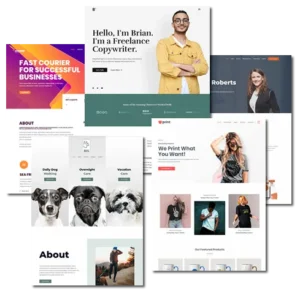
A website usually acts as the central hub of online marketing activity. It is where information is organised, trust is built, and actions take place. Most promotional efforts are designed to guide users toward this hub, where they can learn more and take the next step.
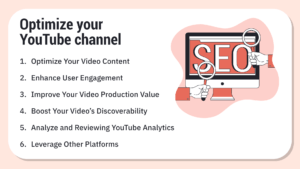
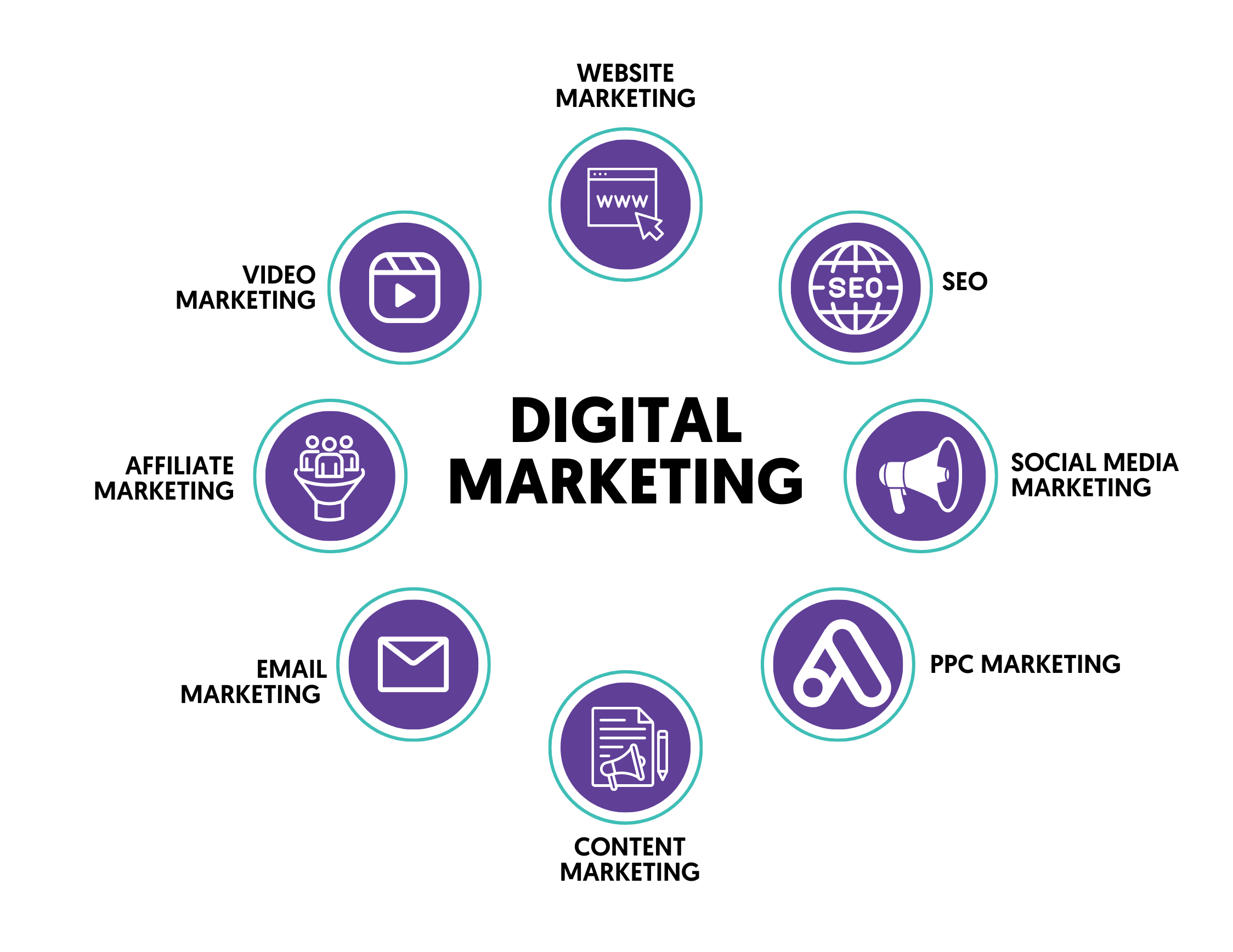
Search-based promotion plays a critical role because it connects businesses with people who are actively looking for information. When users search online, they express intent. Aligning content and messaging with that intent is one of the most effective ways to attract high-quality attention.
Content creation supports this process by answering questions, explaining value, and reducing uncertainty. Rather than pushing immediate sales messages, informative content builds credibility over time. This trust makes audiences more receptive when they are ready to act.
Social platforms add a human dimension. They allow organisations to communicate regularly, share stories, and engage in conversations. Even when transactions do not happen directly on these platforms, they strongly influence perception and preference.
Paid online advertising accelerates visibility by placing messages directly in front of targeted audiences. It allows rapid testing, precise targeting, and controlled scaling. Advertising works best when combined with strong content and a clear strategy.
Email communication supports long-term relationships. It allows businesses to stay connected with people who have already shown interest and guide them toward deeper engagement.
Online Marketing as a Connected System
Modern online promotion is most effective when channels support one another rather than operating independently. Informative content improves visibility. Search traffic feeds email subscriptions. Email supports return visits. Advertising amplifies successful messages. Data connects every action into a single performance view.
This connected system allows businesses to understand the full journey from first interaction to final decision. With that understanding, organisations can improve user experience, efficiency, and long-term results.
Application Across Different Business Types
Small businesses benefit from online promotion because it allows targeted reach without the need for large budgets. Local visibility, niche audiences, and clear performance measurement make it possible to compete effectively with larger organisations.
Larger businesses use internet-based marketing to manage scale and complexity. Multiple regions, products, and audiences can be coordinated through shared data and consistent messaging. Advanced analysis helps maintain efficiency and brand consistency.
Skills Behind Effective Online Promotion
Success in this field requires more than technical tools. Strategic thinking is needed to align activity with business goals. Analytical skills help interpret performance data and identify patterns. Creative ability ensures messages are engaging and relevant.
Equally important is understanding human behaviour. Technology enables communication, but people make decisions based on trust, relevance, and perceived value.
Addressing Common Misconceptions
Online marketing is often misunderstood as being limited to social media or advertising. In reality, it includes planning, research, content development, measurement, and long-term strategy. It is also not restricted to internet-only businesses. Traditional organisations, service providers, and public institutions all depend on online channels to communicate effectively.
Another misconception is that success depends entirely on tools. While platforms matter, strategy and audience understanding remain the deciding factors.
Ongoing Change and Adaptation
Marketing in digital environments continues to evolve as technology, consumer expectations, and regulations change. Privacy, data protection, and ethical communication are now central concerns, particularly in the US and UK.
Professionals and organisations must continuously adapt, learn, and refine their approach to remain effective.
Final Explanation
Digital-era marketing is the structured use of online channels, technology, and data to communicate value, influence decisions, and support business growth. It combines strategy, creativity, analysis, and communication into a flexible system that adapts to real-world behaviour.
Understanding this approach is essential for modern careers, sustainable business growth, and effective communication in a world where most decisions begin online.