The digital marketing definition can be explained in simple terms as the use of internet-based channels, digital technologies, and data-driven methods to promote products, services, brands, or ideas to targeted audiences. It represents how modern communication and promotion take place in online environments where people search for information, interact with content, and make decisions.
In today’s world, especially in countries like the US and the UK, this form of marketing is deeply connected to everyday life. People rely on digital platforms to research, compare, and evaluate options before taking action. As a result, businesses use online channels to remain visible, relevant, and trustworthy throughout this process.
A Simple Definition of Digital Marketing
Digital marketing is the process of reaching and influencing audiences through digital channels such as websites, search engines, social platforms, email systems, and online advertising networks. Unlike offline promotion, it allows organisations to communicate with audiences in a way that can be measured, analysed, and improved over time.
At its core, it is not just about promotion. It is about understanding user behaviour in online environments and delivering the right message at the right time using digital tools and data.
The Meaning Behind the Definition
To understand the definition properly, it helps to look at what makes this type of marketing unique. It operates in environments where user actions leave measurable signals. Every visit, click, view, or interaction provides information that can be studied.
This means marketing decisions are no longer based only on assumptions or broad estimates. Instead, they are guided by real behaviour. This shift has changed how organisations plan campaigns, allocate budgets, and evaluate success.
Digital marketing is therefore both a communication discipline and a data-driven system.
How Digital Marketing Is Used in Practice
In practice, digital marketing involves creating and delivering messages through online platforms where audiences already spend their time. These messages may educate, inform, persuade, or remind users depending on their stage in the decision-making process.
Businesses usually start by identifying their audience. They then select suitable digital channels and create content or campaigns that match audience needs and expectations. Performance is tracked continuously, and strategies are adjusted based on what the data shows.
This ongoing process allows marketing activity to evolve rather than remain fixed.
Key Elements Included in the Definition
Although digital marketing is best understood through explanation rather than lists, it does include several core elements that work together.
Some important elements are:
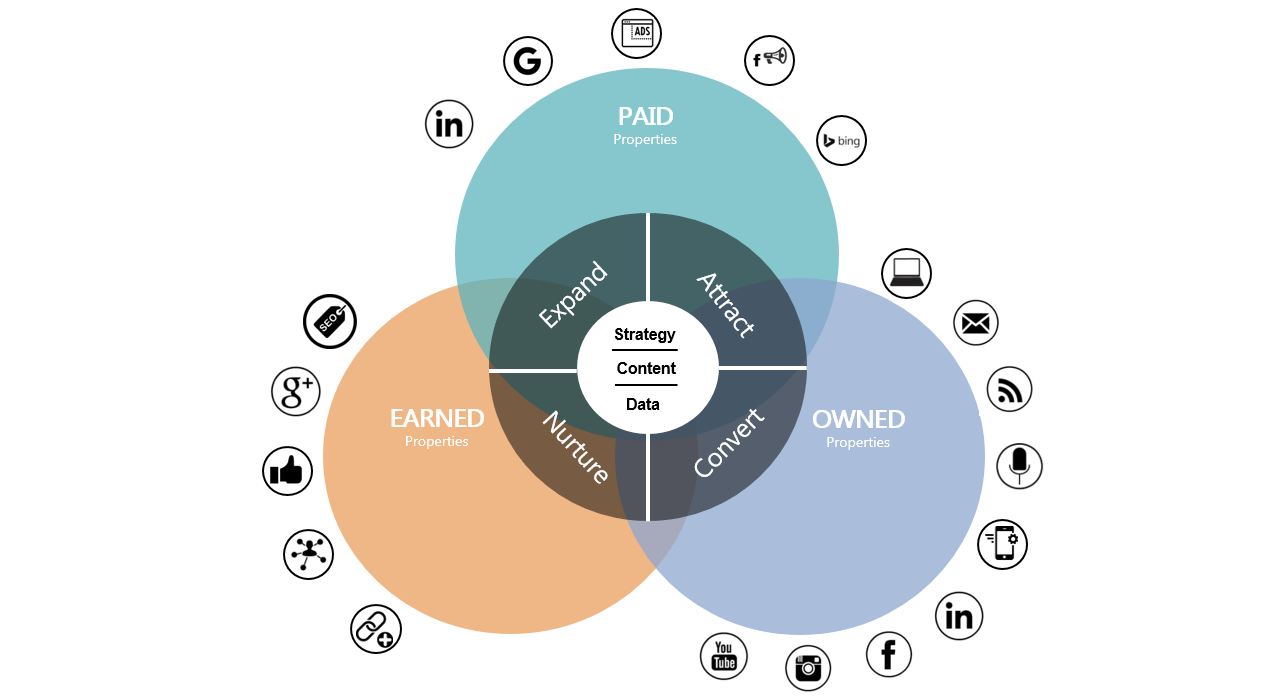
Online presence through websites and digital platforms
Visibility on search and discovery channels
Content created for education, engagement, or guidance
Paid promotion used to accelerate reach
Direct communication through digital messaging systems
Measurement and analysis of user behaviour
Each element supports the others and contributes to overall effectiveness.
Why the Definition Matters for Businesses
Understanding the definition of digital marketing is important because it explains how modern businesses connect with audiences. In competitive markets, visibility alone is not enough. Organisations must also communicate credibility, relevance, and value.
Digital marketing allows businesses to do this efficiently. It supports precise targeting, meaning messages can reach people who are most likely to be interested. It also supports accountability, as results can be clearly linked to activity.
For both small and large organisations, this understanding helps guide smarter decisions and long-term planning.
Digital Marketing and the Modern Consumer
Modern consumers are informed and independent. They research before acting and often interact with multiple digital touchpoints before making decisions. Digital marketing exists to support this behaviour rather than interrupt it.
By providing useful information, clear messaging, and accessible communication, businesses can become part of the consumer’s decision process instead of competing against it.
This is one of the reasons the definition goes beyond advertising and includes education, engagement, and trust-building.
Skills and Thinking Behind Digital Marketing
The definition also implies a combination of skills. Strategic thinking is required to align activity with goals. Analytical thinking is needed to interpret data and understand outcomes. Creative skills help messages connect emotionally and clearly.
Technology enables the process, but human understanding remains central. Effective digital marketing depends on knowing how people think, what they need, and how they behave online.
Common Misunderstandings About the Definition
Many people assume digital marketing means only social media or online ads. This is an incomplete understanding. While those are part of it, the definition includes planning, research, content development, communication, and performance measurement.
Another misunderstanding is that it applies only to online businesses. In reality, service providers, local companies, educational institutions, and public organisations all rely on digital channels to communicate effectively.
The Evolving Nature of the Definition
The definition of digital marketing continues to evolve as technology, platforms, and regulations change. Privacy expectations, ethical communication, and responsible data use are now central to how digital promotion is practiced, especially in the US and UK.
This evolution means the definition is not static. It grows as digital behaviour and technology develop.
Final Definition Explained Clearly
Digital marketing is the structured use of digital channels, online platforms, and data to communicate value, influence decisions, and support organisational goals. It combines communication, technology, and analysis to reach audiences in environments where modern decisions are made.
Understanding this definition provides a foundation for careers, business growth, and effective communication in a world where digital interaction is part of everyday life.