The kinds of digital marketing refer to the different ways businesses promote products, services, and brands through digital and internet-based channels. Each type exists because audiences behave differently across platforms, devices, and stages of decision-making. Instead of relying on one method, organisations usually combine several types to create a complete and effective online presence.
Understanding the main kinds of digital marketing helps students, professionals, and business owners see how online promotion works as a system rather than a single activity. Below is a clear and detailed explanation of the most important types, with more focus on explanation and fewer comparisons.
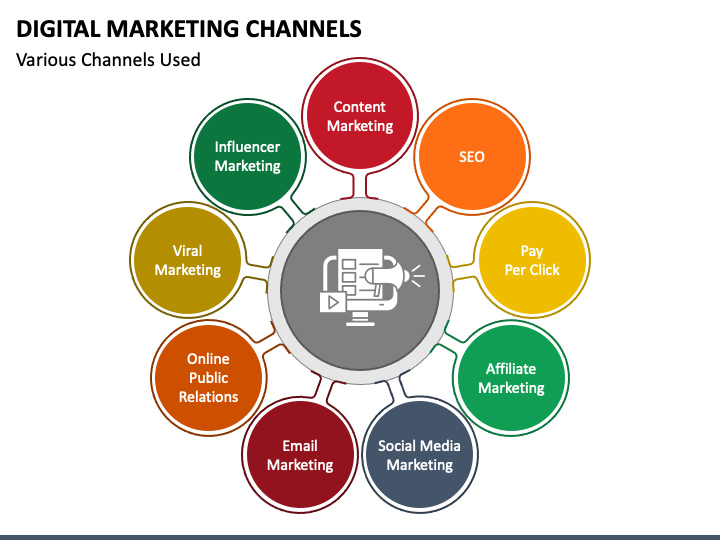
Search Engine–Based Marketing
Search-based marketing focuses on reaching people when they actively look for information online. This type of marketing is built around user intent, meaning it targets individuals who are already interested in a topic, product, or service.
When people search on search engines, they are often trying to solve a problem or make a decision. Businesses create and optimise online content so it appears during these searches. This approach helps attract visitors who are more likely to engage, enquire, or purchase because they are already motivated.
This kind of marketing plays a critical role in visibility and long-term credibility.
Content Marketing
Content marketing is one of the most important kinds of digital marketing because it focuses on value rather than direct promotion. It involves creating useful, informative, or educational material for online audiences.
Instead of pushing sales messages, content helps people understand topics, answer questions, and reduce uncertainty. Over time, this builds trust and authority. When audiences trust a source, they are more likely to choose it when they are ready to act.
Common forms of content include articles, guides, videos, and visual materials, all designed for digital platforms and user behaviour.
Social Media Marketing
Social media marketing uses social platforms to communicate, engage, and build relationships with audiences. It allows businesses to present a more human and conversational side of their brand.
This type of marketing is effective because people spend significant time on social platforms interacting with content, communities, and opinions. Businesses use these spaces to share updates, tell stories, respond to feedback, and maintain ongoing visibility.
Social media marketing often supports awareness and engagement rather than immediate conversion, but its influence on perception and trust is strong.
Email Marketing
Email marketing focuses on direct digital communication with people who have already shown interest. Unlike public platforms, email allows businesses to deliver personalised messages directly to an individual’s inbox.
This type of marketing is commonly used to maintain relationships, provide updates, share useful information, and encourage repeat engagement. Because messages can be tailored to user behaviour, email remains one of the most effective digital channels when used responsibly.
Email marketing supports long-term connection rather than one-time interaction.
Online Advertising
Online advertising is the paid form of digital promotion. It allows businesses to place messages in front of specific audiences based on interests, behaviour, location, or intent.
This kind of marketing is especially useful when fast visibility is needed. Paid campaigns can be launched quickly, tested in real time, and scaled based on performance. Because results are measurable, businesses can control budgets and optimise continuously.
Online advertising works best when combined with strong content and clear objectives.
Video Marketing
Video marketing uses video content to communicate messages, explain ideas, or tell stories in digital environments. It has become increasingly important because many users prefer visual and audio formats over text alone.
Videos can be educational, informative, or brand-focused. They are often used to explain complex ideas simply, demonstrate value, or build emotional connection. Video content is commonly shared across websites, social platforms, and messaging channels.
This type of marketing supports both engagement and understanding.
Mobile Marketing
Mobile marketing focuses on reaching users through smartphones and mobile devices. Because most online activity now happens on mobile, this type of marketing ensures content, messages, and experiences are designed for smaller screens and on-the-go usage.
It includes mobile-friendly websites, app-based communication, and location-aware messaging. Mobile marketing recognises how people interact differently when using phones compared to desktops.
This approach improves accessibility and convenience for users.
Affiliate and Partnership Marketing
Affiliate and partnership marketing involves working with third parties who promote products or services in exchange for agreed outcomes. These partners may be content creators, publishers, or specialised platforms.
This type of marketing extends reach by leveraging existing audiences. It is performance-based, meaning results can be tracked and evaluated clearly.
Affiliate marketing relies heavily on trust, transparency, and alignment between the brand and its partners.
Influencer Marketing
Influencer marketing focuses on collaboration with individuals who have established credibility and audiences in specific digital spaces. These individuals influence opinions through content and personal engagement.
Rather than traditional advertising, this type of marketing relies on recommendation and authenticity. Audiences are more likely to trust messages that come from familiar or respected voices.
Influencer marketing is commonly used in social and content-driven environments.
Analytics and Performance Marketing
Performance-focused marketing centres on measurement, analysis, and optimisation. While not always visible as a channel, it underpins all kinds of digital marketing.
This approach uses data to understand what works, what does not, and why. Decisions are made based on evidence rather than assumptions, improving efficiency and effectiveness.
Analytics-driven thinking connects strategy to results.
How These Kinds Work Together
The different kinds of digital marketing are rarely used alone. Content supports search visibility. Social platforms distribute content. Advertising amplifies reach. Email maintains relationships. Analytics connects everything into a single system.
By combining these approaches, businesses can support the entire customer journey from awareness to long-term engagement.
Final Explanation
The kinds of digital marketing represent different methods of reaching, engaging, and influencing audiences in online environments. Each type serves a specific purpose, but their real strength lies in how they work together.
Understanding these kinds provides clarity about how modern marketing operates and why successful digital promotion depends on balance, strategy, and continuous improvement rather than reliance on a single channel.