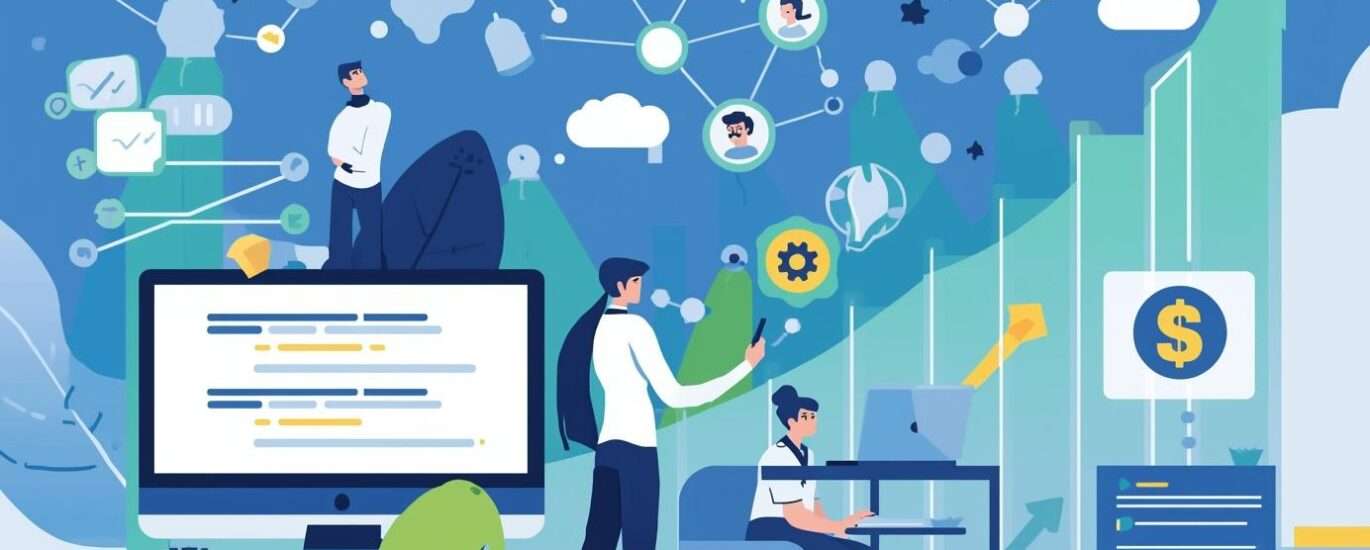
Starting your journey in web development can feel overwhelming. There are countless tools, languages, and frameworks, and beginners often struggle to understand where to begin. This guide is designed to simplify everything and give you a clear, practical roadmap for for beginners learn web development from scratch.
Whether your goal is to build websites, start freelancing, or launch a tech career, this article will walk you through the exact process—from fundamentals to advanced concepts—using real-world strategies and modern tools.
What Does Web Development Actually Mean?
Web development refers to the process of building websites and web applications that run on the internet.
It includes three main areas:
- Frontend Development – What users see
- Backend Development – Server-side logic and databases
- Full-Stack Development – Combination of both
For beginners, it’s essential to understand these areas before diving into tools or coding.
Why Learning Web Development is a Smart Career Move
Web development is one of the most in-demand digital skills globally.
Key Benefits
- High income potential
- Remote work opportunities
- Freelancing flexibility
- Ability to build your own products
It also aligns well with digital growth systems. If you’re interested in building scalable online systems, this is closely connected to concepts explained in Tools Startup Growth Strategy.
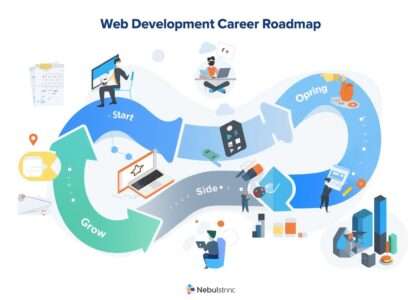
The Beginner Roadmap: Step-by-Step Learning Path
To successfully approach for beginners learn web development, you need a structured roadmap.
Step 1: Understand How the Web Works
Before coding, understand the basics:
- How browsers load websites
- What is a server
- What is HTTP/HTTPS
- How domains and hosting work
Helpful Tool
- MDN Web Docs – best beginner-friendly documentation
Step 2: Learn HTML (The Structure of the Web)
HTML is the foundation of every website.
What You Will Learn
- Tags and elements
- Page structure
- Forms and inputs
Example
<h1>Hello World</h1>
<p>This is your first webpage.</p>
Step 3: Learn CSS (Design and Layout)
CSS controls how your website looks.
Key Concepts
- Colors and fonts
- Layout (Flexbox, Grid)
- Responsive design
Tools to Practice
Step 4: Learn JavaScript (Interactivity)
JavaScript makes websites dynamic.
What You Will Learn
- Variables and functions
- DOM manipulation
- Events
Example
document.querySelector("button").onclick = function() {
  alert("Button clicked!");
};
Step 5: Build Small Projects
Projects are where real learning happens.
Beginner Project Ideas
- Personal portfolio website
- To-do list app
- Simple blog layout
Step 6: Version Control with Git
Git helps you manage code and collaborate.
Essential Platform
Step 7: Learn a Frontend Framework
After basics, move to frameworks.
Popular Choices
Step 8: Learn Backend Basics
To become full-stack, learn backend development.
Key Concepts
- APIs
- Databases
- Authentication
Technologies
Step 9: Work with Databases
Learn how to store and manage data.
Tools
Step 10: Deploy Your Website
Publishing your project is crucial.
Platforms
Beginner Mistakes to Avoid
Learning Everything at Once
Focus on one step at a time.
Skipping Fundamentals
Strong basics are essential.
Not Building Projects
Practice is more important than theory.
How to Learn Faster and Smarter
Follow a Structured Path
Avoid random tutorials.
Build While Learning
Apply concepts immediately.
Use Real-World Examples
Solve actual problems.
Web Development + Growth Skills
Web development alone is powerful—but combining it with digital growth skills is even more valuable.
To understand how developers use systems to scale businesses, explore Marketing Automation Tools for Business.
Career Paths in Web Development
Frontend Developer
Focus on UI and user experience.
Backend Developer
Focus on server logic and databases.
Full-Stack Developer
Handle both frontend and backend.
Freelance Developer
Work independently with clients.
Tools Every Beginner Should Use
Code Editor
Browser Dev Tools
- Built into Chrome/Firefox
Package Manager
Real Learning Timeline (Practical Expectation)
| Time | Skill Level |
|---|---|
| 1 Month | Basic HTML & CSS |
| 3 Months | JavaScript + Projects |
| 6 Months | Frontend Framework |
| 9–12 Months | Full-stack development |
Future of Web Development
Web development continues to evolve with:
- AI-powered tools
- No-code/low-code platforms
- Web3 technologies
- Advanced frontend frameworks
Staying updated is essential.
Final Thoughts
If you truly want to succeed in for beginners learn web development, focus on:
- Strong fundamentals
- Consistent practice
- Building real projects
- Learning tools gradually
Web development is not just a skill—it’s a gateway to building digital products, businesses, and scalable systems.
Read More:
Tools Startup Growth Strategy
Marketing Automation Tools for Business
Guide Technical SEO