Building a successful career in web development is one of the most practical and scalable ways to enter the tech industry. But most beginners struggle—not because they lack ability, but because they lack direction. A structured tutorial web developer career approach removes confusion and gives you a clear path from zero knowledge to professional-level skills.
This guide provides a complete system covering learning paths, tools, real-world execution, career options, and long-term growth strategies.
What is a Web Developer Career?
A web developer career involves designing, building, and maintaining websites or web applications. Developers use programming languages, frameworks, and tools to create digital experiences used by millions of people.
There are three primary paths:
- Frontend Developer – focuses on user interface and experience
- Backend Developer – handles servers, databases, and logic
- Full-Stack Developer – combines both frontend and backend
Why Choose Web Development as a Career?
High Demand and Stability
Businesses of all sizes require web presence, making web development a long-term, stable career.
Remote Work Opportunities
Many developers work remotely or freelance.
Scalable Income Potential
Income grows with skills, specialization, and experience.
Connection with Digital Growth Systems
Web development skills are highly valuable when combined with business and growth systems. This is explained in Tools Startup Growth Strategy where systems are built for scalable digital businesses.
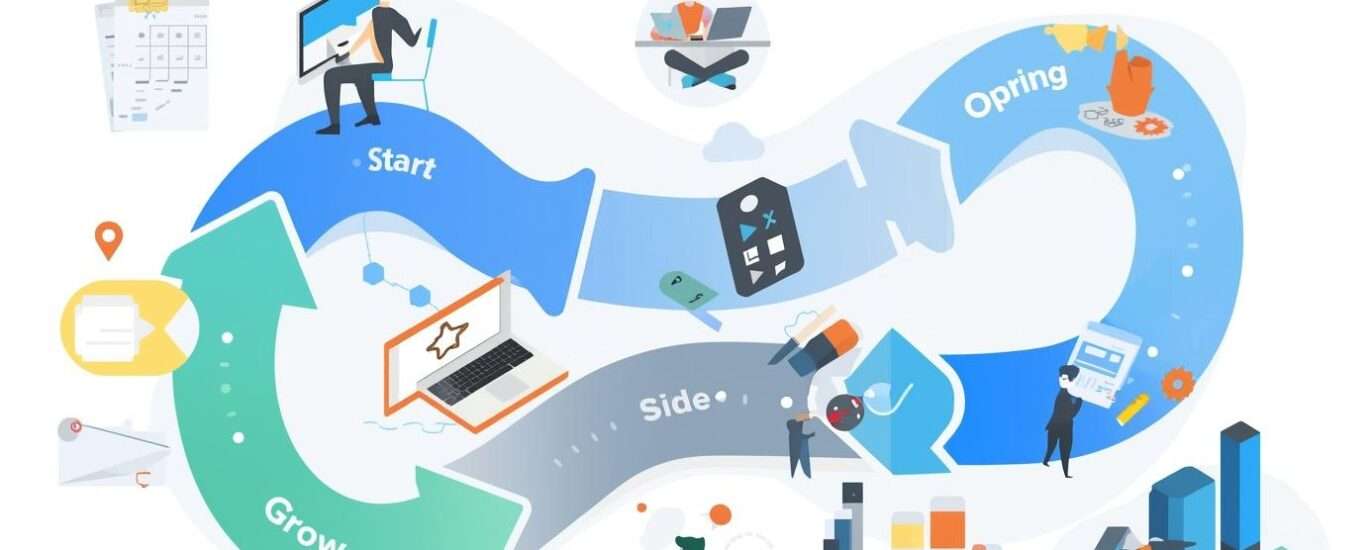
The Complete Tutorial Web Developer Career Roadmap
To succeed, you need a structured system—not random tutorials.
Stage 1: Understanding the Web (Foundation Layer)
Before coding, understand how the web works.
Key Concepts
- How browsers render websites
- What is a server
- Client vs server
- HTTP/HTTPS
- Domain and hosting
Recommended Learning Resource
- MDN Web Docs – trusted documentation for beginners
Stage 2: Learning Core Technologies
HTML (Structure)
HTML defines the structure of web pages.
<h1>Welcome</h1>
<p>This is your first webpage.</p>
CSS (Design)
CSS controls layout and visual appearance.
Key areas:
- Flexbox
- Grid
- Responsive design
JavaScript (Logic)
JavaScript adds interactivity.
document.querySelector("button").addEventListener("click", function() {
  alert("Hello Developer!");
});
Stage 3: Building Real Projects
Projects are essential for mastering skills.
Beginner Projects
- Portfolio website
- Landing page
- Simple calculator
- To-do app
Why Projects Matter
- Reinforce learning
- Build confidence
- Create portfolio
Stage 4: Version Control & Collaboration
Essential Tool
- GitHub – code hosting and collaboration
What to Learn
- Git basics
- Commit, push, pull
- Branching
Stage 5: Frontend Frameworks
Once fundamentals are strong, move to frameworks.
Popular Frameworks
Why Frameworks Matter
- Faster development
- Scalable architecture
- Industry demand
Stage 6: Backend Development
To become a full-stack developer, learn backend systems.
Key Concepts
- APIs
- Authentication
- Server logic
Technologies
Stage 7: Working with Databases
Popular Databases
What You’ll Learn
- Data storage
- Queries
- CRUD operations
Stage 8: Deployment & Hosting
Publishing your work is critical.
Platforms
Stage 9: Developer Tools & Environment
Essential Tools
- Visual Studio Code
- Browser DevTools
- npm
Stage 10: Specialization Paths
Frontend Developer
Focus on UI, animations, and performance.
Backend Developer
Focus on APIs, databases, and systems.
Full-Stack Developer
Handle both frontend and backend.
Freelance Developer
Work independently and build client projects.
Career Strategy: From Learning to Earning
Step 1: Build Portfolio
Include:
- Projects
- Case studies
- Live demos
Step 2: Start Freelancing
Platforms:
- Upwork
- Fiverr
Step 3: Apply for Jobs
Prepare:
- Resume
- GitHub profile
- Interview skills
Step 4: Scale Your Career
- Learn advanced tools
- Build systems
- Increase rates
Combining Development with Digital Marketing
Developers who understand marketing earn more.
To understand how marketing and systems connect, explore Marketing Automation Tools for Business.
SEO for Developers (Underrated Skill)
Understanding SEO gives developers a competitive advantage.
This topic is explained in detail in Guide Technical SEO where performance, indexing, and optimization are covered.
LSI Keywords for SEO Optimization
This article naturally includes:
- web developer career path
- how to become a web developer
- beginner web development roadmap
- full stack developer guide
- web developer skills
- coding career roadmap
- web development tutorial for beginners
Common Mistakes to Avoid
Skipping Fundamentals
Strong basics are essential.
Tutorial Addiction
Watching without building.
Not Practicing Enough
Practice builds mastery.
Avoiding Projects
Projects create real experience.
Advanced Growth Strategy for Developers
Build Personal Brand
- Create content
- Share knowledge
- Build authority
Learn System Thinking
Developers who understand systems grow faster.
Another version of this concept is covered in Tips Growth Marketing.
Move into High-Value Areas
- SaaS development
- Automation systems
- AI integration
Real Timeline for Becoming a Developer
| Time | Skill Level |
|---|---|
| 1 Month | HTML, CSS basics |
| 3 Months | JavaScript + projects |
| 6 Months | Frontend frameworks |
| 9–12 Months | Full-stack readiness |
Future of Web Developer Careers
- AI-assisted coding
- No-code tools
- Cloud-based development
- Web3 technologies
Final Thoughts
A successful tutorial web developer career path is built on:
- Strong fundamentals
- Consistent practice
- Real-world projects
- Smart tool usage
- Continuous learning
Web development is not just a job—it’s a long-term skill that opens doors to freelancing, entrepreneurship, and scalable digital businesses.
Read More:
Tools Startup Growth Strategy
Marketing Automation Tools for Business
Guide Technical SEO