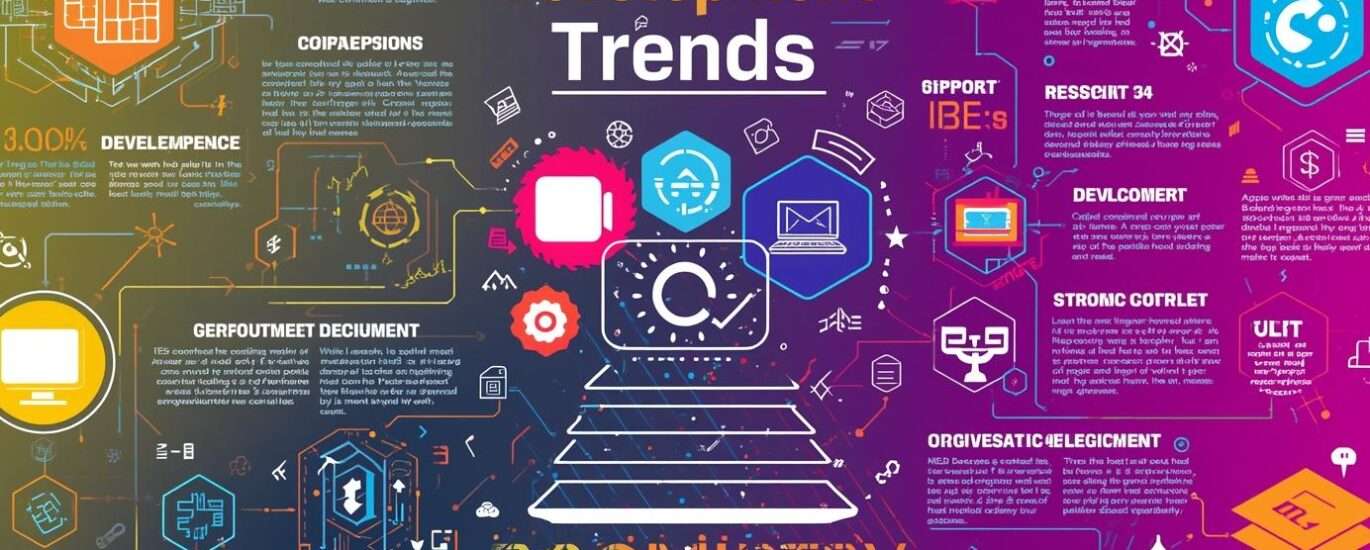
Web development is evolving faster than ever. For beginners, this rapid change often creates confusion—what should you learn, what should you ignore, and which trends actually matter? A structured understanding of for beginners web development trends helps you focus on the right technologies, avoid outdated skills, and build a future-proof career.
This guide breaks down the most important trends, how they work, and how beginners can practically use them to build skills, projects, and income opportunities.
What Are Web Development Trends?
Web development trends refer to emerging technologies, tools, frameworks, and practices that shape how websites and web applications are built.
These trends influence:
- Performance
- User experience
- Development speed
- Scalability
Understanding trends is not about chasing hype—it’s about identifying what delivers real value.
Why Beginners Must Understand Trends Early
Avoid Learning Outdated Skills
Some technologies become obsolete quickly. Learning trends helps you stay relevant.
Build Competitive Advantage
Developers who adopt modern tools early grow faster.
Align with Industry Demand
Companies look for developers who understand current technologies.
Connecting Trends with Real Growth Systems
Modern development is closely tied to business growth systems. This is explained in Tools Startup Growth Strategy where tools and systems drive scalable digital growth.
The Core Principle: Don’t Follow All Trends
A key mistake beginners make is trying to learn everything.
Smart Approach
- Focus on fundamentals first
- Adopt trends gradually
- Choose trends that align with your goals
Trend 1: JavaScript Framework Dominance
JavaScript remains the most important language in web development.
Popular Frameworks
Why This Trend Matters
- Faster development
- Component-based architecture
- Strong community support
Beginner Strategy
Start with JavaScript fundamentals, then move to React.
Trend 2: Full-Stack JavaScript (Single Language Stack)
Developers increasingly use JavaScript for both frontend and backend.
Tools
Benefits
- Simplifies learning
- Faster development
- High demand in startups
Learning Path
If you’re starting from zero, follow a structured roadmap like For Beginners Learn Web Development.
Trend 3: AI-Assisted Development
AI is transforming how developers write code.
Examples
- Code suggestions
- Automated debugging
- Code generation
Why It Matters
- Increases productivity
- Reduces errors
- Speeds up development
Beginner Tip
Use AI as a helper—not a replacement for learning.
Trend 4: No-Code and Low-Code Platforms
Not everything requires coding anymore.
Popular Platforms
Use Cases
- Landing pages
- MVP development
- Rapid prototyping
Reality Check
No-code is powerful, but coding knowledge still provides long-term advantage.
Trend 5: API-First Development
Modern applications rely heavily on APIs.
What It Means
Applications communicate via APIs instead of being tightly coupled.
Benefits
- Flexibility
- Scalability
- Integration capability
Beginner Action
Learn how to:
- Fetch data from APIs
- Build simple APIs
Trend 6: JAMstack Architecture
A modern approach to building fast websites.
Components
- JavaScript
- APIs
- Markup
Platforms
Advantages
- Faster performance
- Better security
- Easy deployment
Trend 7: Mobile-First and Responsive Design
Most users browse on mobile devices.
Key Concepts
- Responsive layouts
- Mobile optimization
- Performance
Why It Matters
Google prioritizes mobile-first indexing.
To understand performance and SEO connection, explore Guide Technical SEO.
Trend 8: Web Performance Optimization
Speed is critical for user experience and SEO.
Focus Areas
- Image optimization
- Lazy loading
- Code splitting
Tools
Trend 9: Cybersecurity Awareness
Security is no longer optional.
Key Practices
- HTTPS
- Secure authentication
- Data protection
Trend 10: Developer Experience (DX)
Tools are improving developer productivity.
Examples
- Better code editors
- Faster build tools
- Improved debugging
Essential Tool
Trend 11: Cloud-Based Development
Applications are increasingly hosted in the cloud.
Platforms
Benefits
- Scalability
- Reliability
- Global reach
Trend 12: Content + Development Integration
Developers now work closely with content and marketing systems.
Why It Matters
- Websites are growth tools
- Content drives traffic
Another version of this concept is covered in Tips Growth Marketing.
Trend 13: Automation in Development Workflows
Automation reduces repetitive tasks.
Tools
Use Cases
- CI/CD pipelines
- Deployment automation
LSI Keywords Integrated for SEO
This article naturally includes:
- web development trends for beginners
- latest web development technologies
- future of web development
- modern web development tools
- beginner web development roadmap
- frontend development trends
- full stack development trends
How Beginners Should Approach These Trends
Step 1: Master Fundamentals
- HTML
- CSS
- JavaScript
Step 2: Choose One Trend
Example: React or Full-stack JS
Step 3: Build Projects
Apply trends in real projects.
Step 4: Learn Tools
Use modern tools gradually.
Common Mistakes to Avoid
Chasing Every Trend
Focus on what matters.
Ignoring Basics
Strong fundamentals are essential.
Not Building Projects
Practice builds real skills.
Overusing Tools
Tools should support learning—not replace it.
Future of Web Development
- AI-driven development
- No-code expansion
- Web3 technologies
- Advanced frontend frameworks
Final Thoughts
Understanding for beginners web development trends is about making smart decisions—not following hype.
Focus on:
- Fundamentals first
- Practical application
- Gradual adoption of trends
- Building real projects
Web development is evolving, but the core principle remains the same: build useful, scalable, and user-friendly systems.
Read More:
For Beginners Learn Web Development
Tools Startup Growth Strategy
Guide Technical SEO