

As software development continues to advance, the importance of maintaining consistency, accuracy, and efficiency within projects becomes increasingly evident. A Version Management System is a vital tool that helps developers and organizations to track, manage, and control changes made to software or documentation over time.
Managing versions effectively ensures collaboration, reduces conflicts, and provides a clear history of modifications. This article delves deep into the fundamentals of Version Management Systems, exploring their types, benefits, tools, best practices, and challenges.
What is a Version Management System?
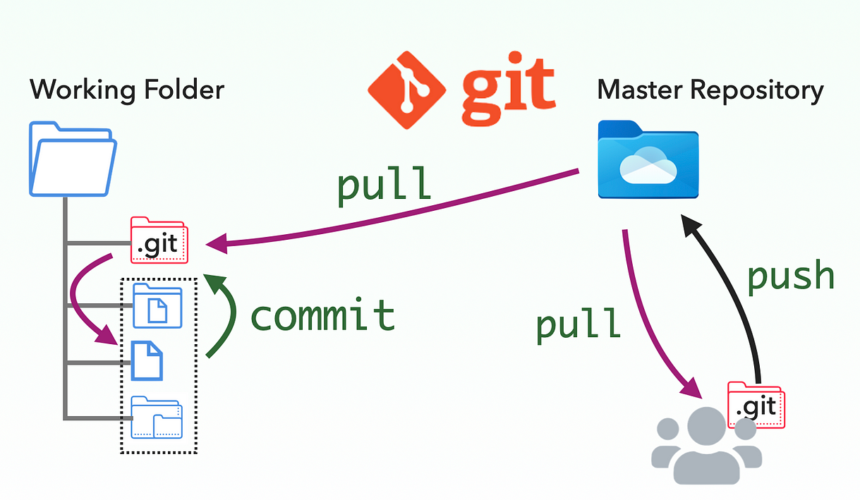
A Version Management System (VMS), also known as a Version Control System (VCS), is a software tool designed to help developers manage changes to their source code or documents over time. It enables multiple developers to work simultaneously on a project without overwriting each other’s changes.
Key Features of Version Management Systems
- Change Tracking: Capturing a detailed history of modifications.
- Branching and Merging: Supporting parallel development through branching and eventual merging.
- Backup and Recovery: Enabling rollback to previous versions in case of errors.
- Conflict Resolution: Handling situations where two developers modify the same file concurrently.
- Access Control: Restricting unauthorized modifications to the codebase.
Types of Version Management Systems
Version Management Systems can be broadly classified into three categories:
1. Local Version Control Systems (LVCS)
These systems store all versions of files on a local machine. They are simplistic and primarily suitable for small projects.
Examples:
- RCS (Revision Control System)
- SCCS (Source Code Control System)
2. Centralized Version Control Systems (CVCS)
These systems use a single server to store all versions of a project. Developers interact with the server to check out or commit changes.
Examples:
- Subversion (SVN): Known for reliability and simplicity.
- Perforce: Commonly used in enterprise environments for handling large projects.
3. Distributed Version Control Systems (DVCS)
Unlike CVCS, DVCS allows every contributor to have a complete copy of the repository. This approach offers enhanced collaboration, security, and flexibility.
Examples:
- Git: The most popular VMS with robust branching and merging capabilities.
- Mercurial: A simpler alternative to Git, providing efficient handling of large projects.
- Plastic SCM: Designed for complex project structures and large-scale development.
Popular Version Management Systems
| Tool | Type | Description |
| Git | DVCS | Most popular system, offering flexibility and scalability. |
| Mercurial | DVCS | Known for simplicity and ease of use. |
| Subversion | CVCS | Reliable and widely used for enterprise projects. |
| Perforce | CVCS | High-performance system for large projects. |
| Plastic SCM | DVCS | Ideal for large teams and complex project structures. |
Benefits of Version Management Systems
- Collaboration: Allows multiple developers to work on the same project simultaneously.
- History Tracking: Provides a complete history of changes, enhancing accountability and traceability.
- Rollback Capability: Facilitates error recovery by reverting to previous versions.
- Conflict Resolution: Automatically identifies and resolves conflicts during code integration.
- Security: Ensures only authorized personnel can modify critical files.
- Scalability: Suitable for projects of all sizes, from small personal projects to enterprise-level systems.
Challenges of Version Management Systems
- Complexity: Systems like Git can be difficult for beginners to master.
- Merge Conflicts: Frequent collaboration can lead to conflicting changes that require manual resolution.
- Storage Requirements: Large repositories consume significant storage space.
- Access Management: Ensuring proper permissions and access control can be challenging.
Best Practices for Using Version Management Systems
- Use Branches: Utilize branching to separate features, bug fixes, and other tasks from the main codebase.
- Commit Regularly: Make small, frequent commits to maintain a clear project history.
- Provide Meaningful Messages: Write descriptive commit messages to explain changes.
- Test Before Committing: Ensure changes are properly tested before merging.
- Implement Access Controls: Restrict unauthorized changes to maintain project integrity.
- Regularly Review Code: Use pull requests for peer reviews to maintain code quality.
Conclusion
Implementing a Version Management System is essential for maintaining the integrity, consistency, and reliability of projects. From individual developers to large enterprise teams, having a robust version management strategy is key to achieving long-term success.
By selecting the right tool and adhering to best practices, developers can enhance productivity, streamline collaboration, and ensure their codebases are well-organized and error-free. Whether using Git, Mercurial, or Subversion, understanding how to effectively utilize version management systems is a critical skill for any developer.
Read More:Version Control Management Software: A Comprehensive Guide